
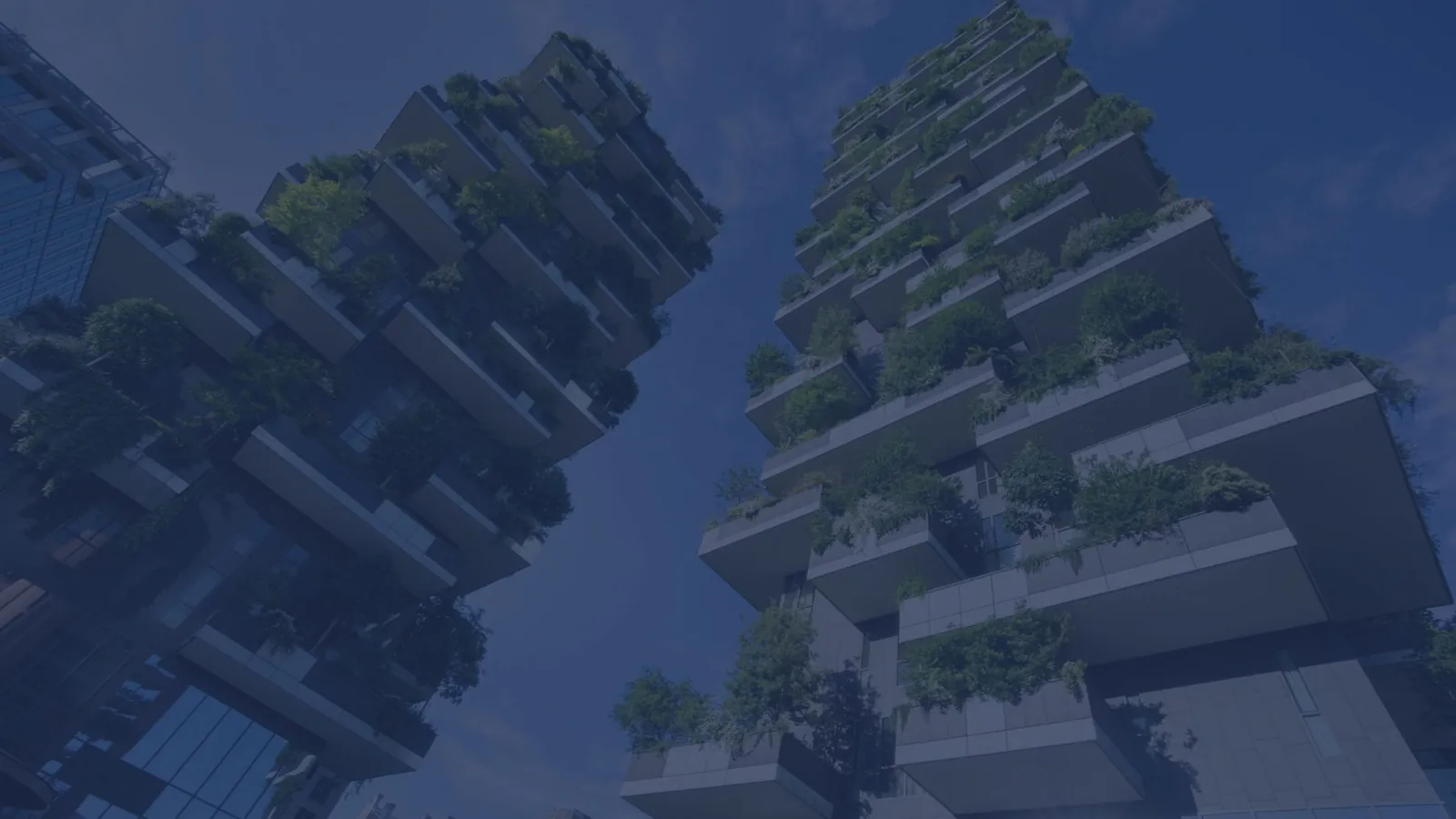
Dubai is rapidly evolving into a global leader in sustainable urban development. With the city’s ambitious vision for a low-carbon, energy-efficient future, green buildings are no longer just a trend—they are becoming a standard in real estate. For investors, end-users, and developers alike, sustainable architecture represents not only environmental responsibility but also tangible economic and lifestyle benefits.
In 2025, the demand for eco-friendly properties in Dubai is accelerating, with developers like Manam Pearl in Al Furjan leading the way by integrating green building practices into their residential projects.
1. What Defines a Green Building in Dubai?
A green building is designed to reduce its environmental impact while promoting energy efficiency, water conservation, and sustainable materials usage. In Dubai, the Dubai Green Building Regulations and Specifications (DGBRS) set standards for new developments, covering aspects such as:
- Energy efficiency and smart climate control
- Sustainable water management
- Use of recycled and low-impact construction materials
- Indoor air quality and natural ventilation
- Waste reduction and recycling during construction
According to the Dubai Carbon Centre of Excellence (DCCE), green buildings can reduce energy consumption by up to 40% compared to conventional buildings and significantly lower the overall carbon footprint.
2. Why Dubai Is Prioritizing Sustainable Real Estate
Several factors contribute to Dubai’s push for green buildings:
- Government Vision: Dubai’s Clean Energy Strategy aims to produce 75% of energy from clean sources by 2050, and sustainable buildings play a pivotal role in reaching this target.
- Regulatory Incentives: Developers adopting green standards may receive expedited approvals, reduced fees, and other government incentives.
- Market Demand: Buyers and investors increasingly prioritize eco-friendly homes. A Property Finder 2024 survey found that 62% of respondents consider sustainability a key factor when choosing a property.
- Cost Efficiency: Energy-efficient buildings lower utility bills, making them attractive to long-term residents.
With over 50% of new developments in 2024 registered under Dubai Green Building regulations, the city is clearly moving toward a greener future.
3. Benefits for Investors
Investing in green buildings in Dubai offers multiple advantages:
A. Stronger Rental Yields and Occupancy
Properties with sustainable certifications often achieve higher occupancy rates and better tenant retention. Tenants are increasingly aware of environmental impact and are willing to pay a premium for energy-efficient and smart homes.
B. Long-Term Value Appreciation
According to Knight Frank’s 2024 Middle East Real Estate Outlook, green-certified properties in Dubai show faster price appreciation than non-certified counterparts. Developers integrating sustainable features attract environmentally conscious buyers, which enhances long-term market value.
C. Reduced Operational Costs
Green buildings typically have lower utility expenses due to energy-efficient HVAC systems, solar panels, and LED lighting. This improves net operating income for investors and increases ROI over time.
D. Regulatory Compliance
Owning or developing green-certified properties aligns with Dubai’s evolving sustainability regulations. Staying ahead of compliance reduces legal and operational risks while increasing market credibility.
4. Lifestyle Benefits for Residents
Sustainable properties are not just about environmental impact—they enhance residents’ quality of life:
- Healthier Living Environment: Improved indoor air quality and natural lighting reduce health risks.
- Smart Technology Integration: Energy-efficient smart home systems optimize comfort and convenience.
- Community-Centric Design: Green buildings often feature landscaped areas, rooftop gardens, and walking tracks, promoting community interaction.
- Water and Waste Efficiency: Residents benefit from sustainable water usage, recycling programs, and waste management systems.
For example, Manam Pearl in Al Furjan incorporates eco-conscious features while offering family-friendly amenities, rooftop leisure spaces, and smart home automation, creating a holistic living environment for residents.
5. Green Buildings and the Future of Dubai’s Real Estate Market
A. Meeting Sustainability Goals
Dubai’s 2040 Urban Master Plan emphasizes sustainable urban growth, with an emphasis on reducing the carbon footprint of residential and commercial buildings. Green buildings are essential to achieving this vision, and developers are responding with innovative solutions.
B. Attracting Global Investors
Sustainable real estate projects appeal to international buyers and investors. ESG (Environmental, Social, and Governance) criteria are increasingly influencing investment decisions globally, and Dubai is positioning itself as a leader in responsible development.
C. Promoting Smart Cities
Integration of smart energy management, IoT devices, and renewable energy solutions in green buildings aligns with Dubai’s vision of becoming a fully smart, sustainable city by 2030.
D. Competitive Advantage for Developers
Projects that adopt green building practices differentiate themselves in a crowded real estate market. Properties like Manam Pearl in Al Furjan demonstrate that sustainability and premium living can coexist, attracting both end-users and investors seeking future-ready communities.
6. The Economic Case for Green Buildings
Investing in green properties in Dubai offers long-term financial benefits:
- Reduced Maintenance and Operational Costs: Energy-efficient HVAC systems, water-saving fixtures, and smart lighting reduce monthly expenses.
- Higher Tenant Demand: Tenants are willing to pay a premium for sustainable and comfortable living.
- Enhanced Resale Value: Certified green buildings often sell faster and at better prices than conventional units.
- Government Incentives: Some projects qualify for reduced fees, accelerated approvals, or subsidies when meeting sustainability standards.
These economic advantages make green buildings a compelling choice for investors seeking reliable returns and long-term growth.
Conclusion
Green buildings are transforming Dubai’s real estate landscape. They combine environmental responsibility, economic efficiency, and elevated lifestyle experiences, making them an essential part of the city’s future.
For both investors and end-users, eco-friendly developments offer a smart combination of long-term financial gains, healthier living, and sustainable impact. With regulatory support, market demand, and global trends favoring sustainability, green-certified properties are no longer optional—they are the future of real estate in Dubai.
Projects like Manam Pearl in Al Furjan exemplify this evolution. By integrating smart home automation, sustainable design principles, and premium amenities, Manam Pearl demonstrates how green buildings can enhance both investment potential and lifestyle quality.
Dubai’s real estate market is not just building homes—it’s building a sustainable, future-ready city. For investors and residents alike, green buildings represent the smartest choice for 2025 and beyond.
References
- Dubai Carbon Centre of Excellence (DCCE) – Green Building Guidelines 2024
- Dubai Municipality – Dubai Green Building Regulations & Specifications
- Property Finder – Dubai Sustainability Survey 2024
- Knight Frank – Middle East Real Estate Outlook 2024
- CBRE Middle East – Sustainable Buildings Market Report 2024
- MEED – Dubai Construction & Sustainability Report 2024
- Dubai Land Department (DLD) – 2023–2024 Green Building Transactions