
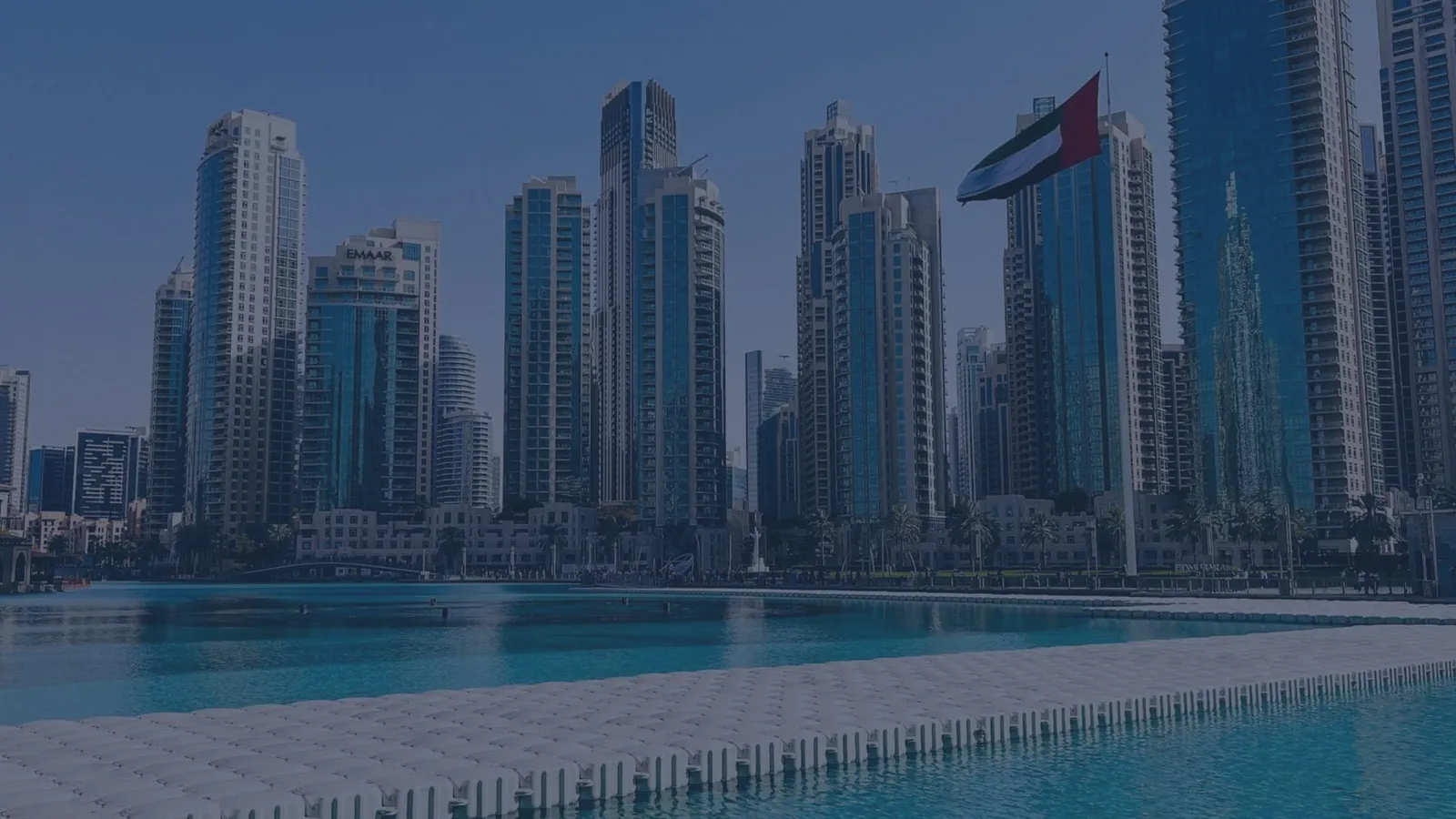
Buying property in Dubai has become one of the most attractive real estate opportunities in the world. With strong rental yields, tax-free returns, world-class infrastructure, and a growing expatriate population, Dubai continues to outperform many global markets. Whether you're an investor or end-user, understanding the buying process is essential—because Dubai has one of the most structured, transparent, and investor-friendly systems in the region.
This step-by-step guide will walk you through everything you need to know: from choosing the right property and understanding legal requirements to transferring ownership safely. We’ll also highlight how emerging communities like Al Furjan—and residential projects such as Manam Pearl—fit into Dubai’s growing landscape.
Step 1: Determine Your Purpose and Budget
Before you begin searching, define your goal:
- Are you buying to live?
Consider proximity to schools, metro stations, amenities, family-friendly areas, etc. - Are you buying for investment?
Look for strong ROI locations like Al Furjan, JVC, Dubai South, and Business Bay. - Are you buying off-plan or ready?
Off-plan offers flexible payment plans, while ready properties generate instant rental income.
Having a clear understanding of your purpose helps you choose the right community and property type.
Set a realistic budget
Include all additional costs such as:
- Dubai Land Department (DLD) fee: 4%
- Trustee office fee: approx. AED 4,000
- NOC fee (developer): AED 500–5,000
- Service charges: varies by project
- Mortgage fees (if applicable): around 1% of loan amount
Budgeting upfront ensures a smooth experience without last-minute surprises.
Step 2: Choose the Right Location and Developer
Dubai offers a wide range of communities—each catering to different lifestyles and budgets.
Popular communities for buyers in 2025:
- Al Furjan: Family-friendly, well-connected, strong rental yields
- Dubai Marina: High demand and waterfront luxury
- JVC: Affordable and high ROI
- Dubai South: Fast-growing, future urban hub
- Downtown Dubai: Premium living with luxury demand
If you're looking for a modern, community-driven home, neighborhoods like Al Furjan offer excellent accessibility and amenities. For example, Manam Pearl, located in Al Furjan, is designed for families and investors who value smart home features, premium finishes, and future-ready community living.
Step 3: Understand Freehold vs. Leasehold
Dubai has two types of property ownership:
Freehold
Foreign buyers can own the property outright with full rights.
Most new communities—Al Furjan, Dubai Marina, Downtown, JVC—offer freehold ownership.
Leasehold
Property is leased to the buyer for 99 years.
Still a good option, but less flexible for resale.
Most expats choose freehold for the long-term stability it provides.
Step 4: Work With a RERA-Registered Agent
Dubai’s real estate market is regulated by RERA (Real Estate Regulatory Agency).
Always work with:
- A RERA-certified property consultant
- A brokerage with valid RERA ORN (Office Registration Number)
- Agents with valid RERA ID cards
This ensures transparency, legal protection, and correct documentation throughout the process.
Step 5: Conduct Property Viewings
Evaluate:
- Layout efficiency
- Quality of construction
- Amenities and facilities
- Service charges
- Developer reputation
- Parking and access
- Proximity to schools, metro stations, retail, etc.
If you’re investing, check:
- Rental trends
- Occupancy rates
- Area development plans
- Demand for specific unit sizes
Step 6: Reserve the Property (Form A & Form B)
To initiate the buying process:
- The seller signs Form A (listing agreement).
- The buyer signs Form B (buyer agency agreement).
These forms ensure transparency and confirm that both parties are working through RERA-regulated channels.
Step 7: Sign the Sales Agreement (Form F)
Once you agree on a price, both parties sign Form F, also known as the MOU (Memorandum of Understanding).
Key components include:
- Property details
- Agreed purchase price
- Transfer date
- Payment terms
- Additional terms and conditions
At this stage, the buyer typically pays a 10% security deposit (refundable upon transfer).
Step 8: Apply for Mortgage (If Needed)
If you need bank financing:
- Obtain pre-approval before signing the MOU
- Provide income documents, bank statements, passport, and Emirates ID
- Mortgage approval usually takes 5–7 working days
Important:
Banks typically finance up to 75% for first-time expat buyers (for properties under AED 5 million).
Step 9: Obtain the Developer’s NOC
The seller must request an NOC (No Objection Certificate) from the developer.
This document confirms:
- The seller has no outstanding service charges
- The property is eligible for transfer
NOC fee ranges from AED 500 to AED 5,000 depending on the developer.
Step 10: Transfer Ownership at a Trustee Office
Both parties meet at a Dubai Land Department (DLD) approved trustee office.
What happens here:
- Buyer pays purchase price (manager’s cheque or bank transfer)
- Buyer pays DLD fees
- Buyer pays transfer fees
- Seller receives full payment
- Trustee transfers title to buyer
Once complete, the buyer receives the Title Deed—officially becoming the owner.
Step 11: Register Ejari
If you plan to rent out the property, register Ejari, which legally validates your tenancy contracts in Dubai.
Step 12: Move In or Rent Out
Once you receive the title deed:
- Apply for DEWA (electricity and water)
- Activate cooling (if applicable)
- Collect access cards from the developer
- Move in or list the property for rent
Why Consider Manam Pearl in Your Property Search?
For buyers exploring modern residential communities, Manam Pearl in Al Furjan is a strong contender. With smart home automation, rooftop amenities, family-centric layouts, and quality European fittings, it reflects exactly the type of lifestyle-focused development today’s buyers seek.
Its strategic location near metro stations, schools, and retail hubs makes it attractive for both residents and investors looking for long-term growth.
Final Thoughts
Buying a property in Dubai is one of the most rewarding decisions you can make—whether for personal living or long-term investment. Dubai’s transparent legal system, strong regulatory framework, and high returns make it one of the safest markets globally.
By understanding the step-by-step process, working with the right professionals, and selecting a reputable developer, you can ensure a smooth and successful buying experience. Communities like Al Furjan—and projects such as Manam Pearl—make the journey even more appealing with lifestyle amenities that support modern, future-ready living.